List of Face value life insurance meaning You Must Know
Home » Travel Insurance » List of Face value life insurance meaning You Must KnowYour Face value life insurance meaning money are available. Face value life insurance meaning are a investment that is most popular and liked by everyone today. You can News the Face value life insurance meaning files here. Get all free property.
If you’re searching for face value life insurance meaning images information connected with to the face value life insurance meaning keyword, you have pay a visit to the ideal site. Our site frequently gives you hints for refferencing the highest quality video and picture content, please kindly surf and find more enlightening video content and graphics that match your interests.
Face Value Life Insurance Meaning. Within your policy, it is officially denoted as the death benefit. The face amount almost always equals the death benefit in term insurance. What is the face value of a life insurance policy? Also, some life insurance policies provide a face amount that decreases over time (usually to cover a mortgage or installment loan) in.
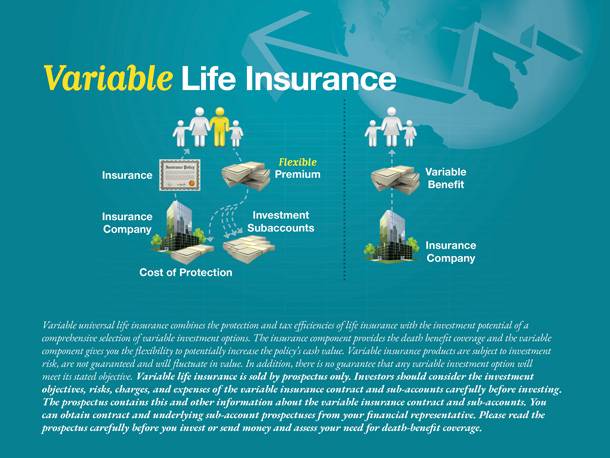 Protecting Those Who Matter Most Aspen Wealth Management From aspenwealthmgmt.com
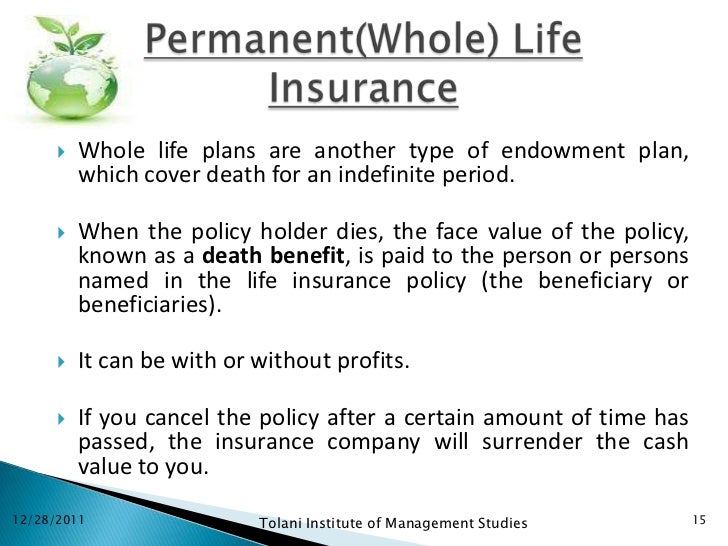
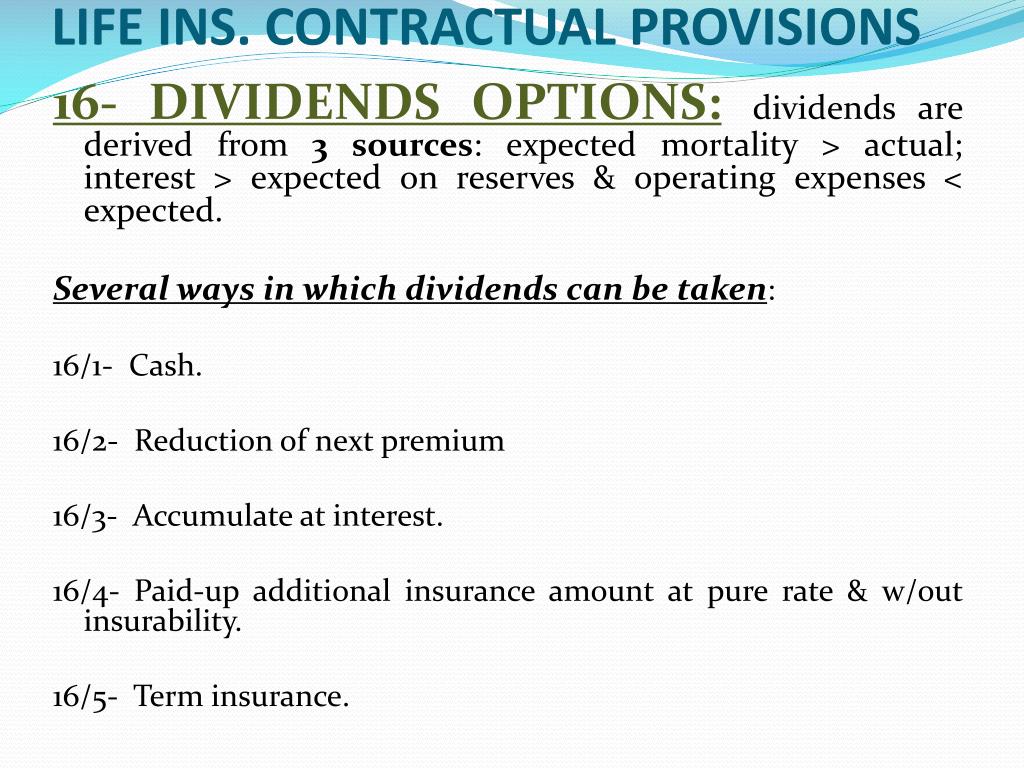
Frequently asked and often misunderstood, the face amount of life insurance is the initial amount of financial protection listed on a life insurance policy. This event also cancels the life insurance policy. Also, some life insurance policies provide a face amount that decreases over time (usually to cover a mortgage or installment loan) in. Face value can also refer to the amount stated on a coin or banknote. Depending on the type of insurance policy, the death benefit may decrease over time, such as with credit life insurance purchased to cover a home mortgage that decreases as the mortgage is paid off. When this happens most policy�s “endow” and the policy owner receives the cash benefit.
A life insurance policy in which the cash value and face value are equal to each other at the policy’s maturity date;
The face value of life insurance is how much your policy is worth, and more importantly, how much life insurance money is paid out when the policyholder dies. When this happens most policy�s “endow” and the policy owner receives the cash benefit. Face value is an often arbitrarily assigned amount used to calculate the accounting value of a company�s stock for balance sheet purposes. Within your policy, it is officially denoted as the death benefit. The face value of a life insurance policy is the death benefit. It�s also known as the policy�s face value.
 Source: onettechnologiesindia.com
Face value is an often arbitrarily assigned amount used to calculate the accounting value of a company�s stock for balance sheet purposes. Only permanent life insurance policies, such as whole life and universal life, have a cash value account. In short, your face value is the amount of money your beneficiaries will receive from. The face value of indexed life insurance policies varies with the performance of the financial index the policy follows. In term insurance, the face value is usually the same as what is.
 Source: sapling.com
The face amount almost always equals the death benefit in term insurance. In the case of whole life insurance the face amount is the. Frequently asked and often misunderstood, the face amount of life insurance is the initial amount of financial protection listed on a life insurance policy. When this happens most policy�s “endow” and the policy owner receives the cash benefit. The amount paid out on a life insurance policy (such as $100,000 upon the death of the person named on the policy) is also termed the face amount, because it is stated on the first page (or “face”) of the policy documentation.
 Source: weqmra.com
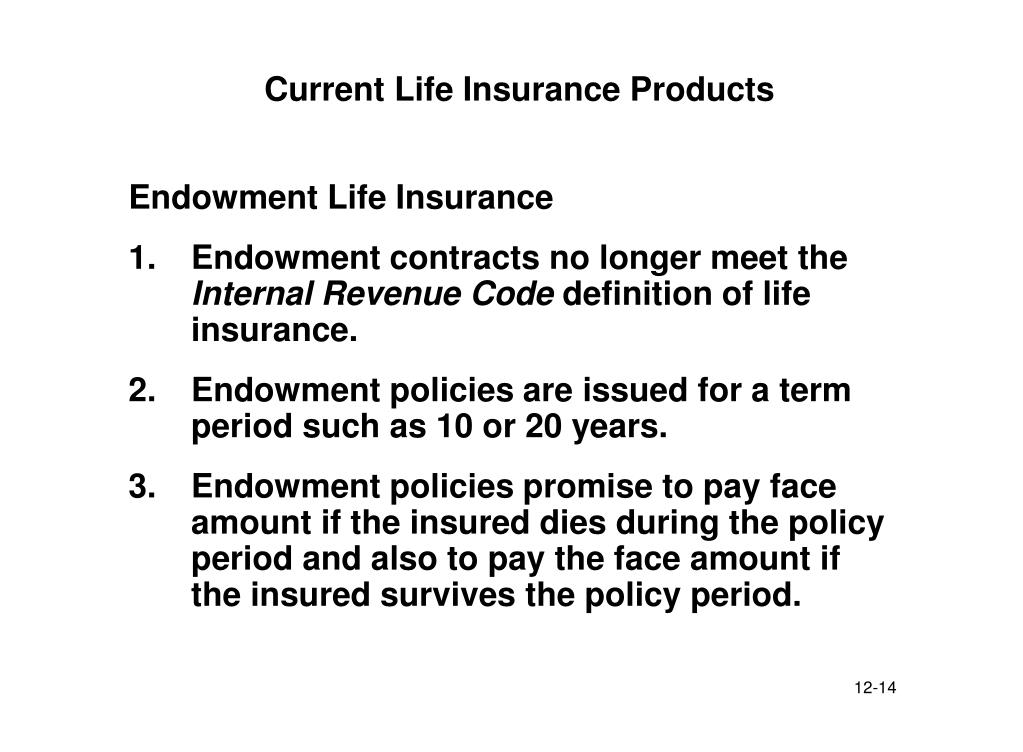
A policy under which the face amount is payable on a specified future date (maturity date) if the insured is then living, or at the insured’s death, if that should occur sooner. Cash value life insurance is a type of life insurance policy that’s in place for your whole life and comes with a sort of savings account built into it. Corporate bonds usually carry a $1,000 face value, municipal bonds usually carry a. Endowment is a taxable event. A life insurance policy in which the cash value and face value are equal to each other at the policy’s maturity date;
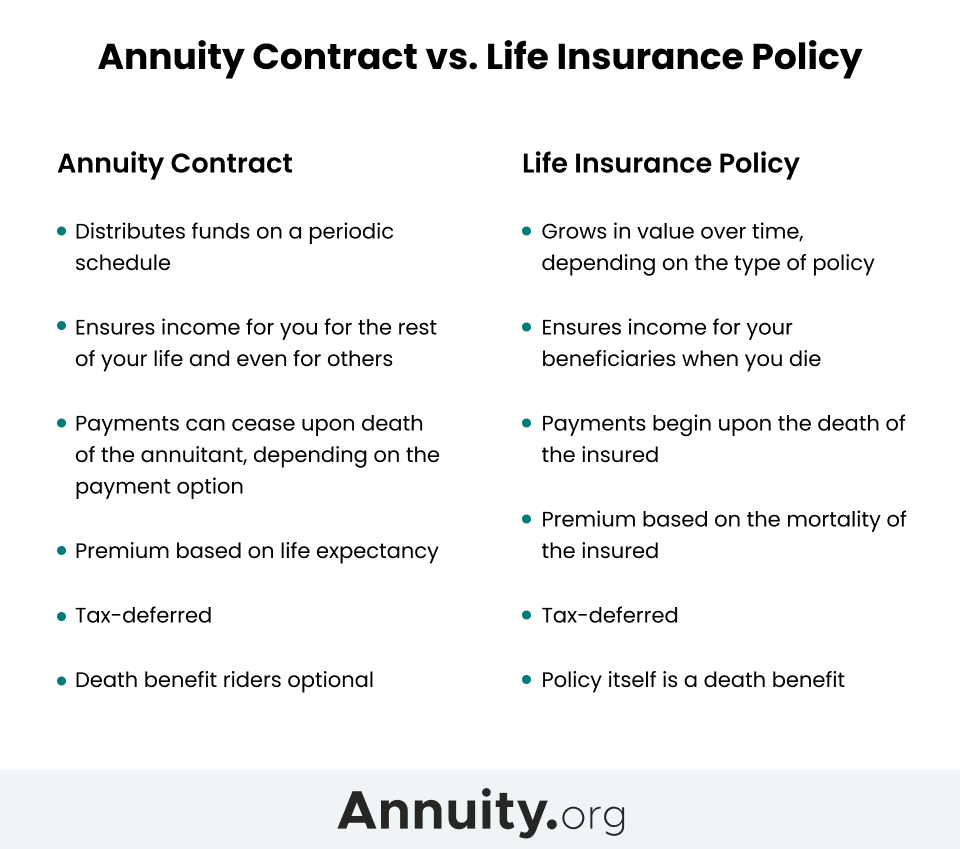 Source: gastoniapestpros.com
Depending on the type of insurance policy, the death benefit may decrease over time, such as with credit life insurance purchased to cover a home mortgage that decreases as the mortgage is paid off. The face value of a life insurance policy is the amount of death benefit you purchase when you take out the policy, and it’s a primary factor in determining the amount of premium you pay. The face amount in life insurance means the amount of insurance you buy. The face value of a life insurance policy is the death benefit. Face value is an often arbitrarily assigned amount used to calculate the accounting value of a company�s stock for balance sheet purposes.
 Source: expertinsurancereviews.com
The face value definition in life insurance refers to the death benefit that is paid to beneficiaries upon the death of the insured. A life insurance policy in which the cash value and face value are equal to each other at the policy’s maturity date; Within your policy, it is officially denoted as the death benefit. Endowment is a taxable event. Frequently asked and often misunderstood, the face amount of life insurance is the initial amount of financial protection listed on a life insurance policy.
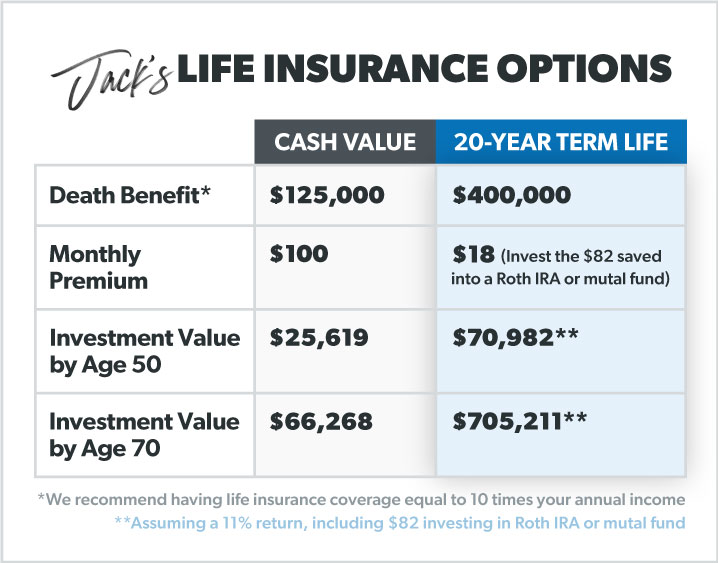 Source: inthebox.buzz
When it comes to bonds and preferred stock, however, face value represents the amount that must be repaid at maturity. The cash value is often stated on the top sheet of the policy, hence the name face amount. The face value of a life insurance policy is the amount of death benefit you purchase when you take out the policy, and it’s a primary factor in determining the amount of premium you pay. The face amount almost always equals the death benefit in term insurance. Corporate bonds usually carry a $1,000 face value, municipal bonds usually carry a.
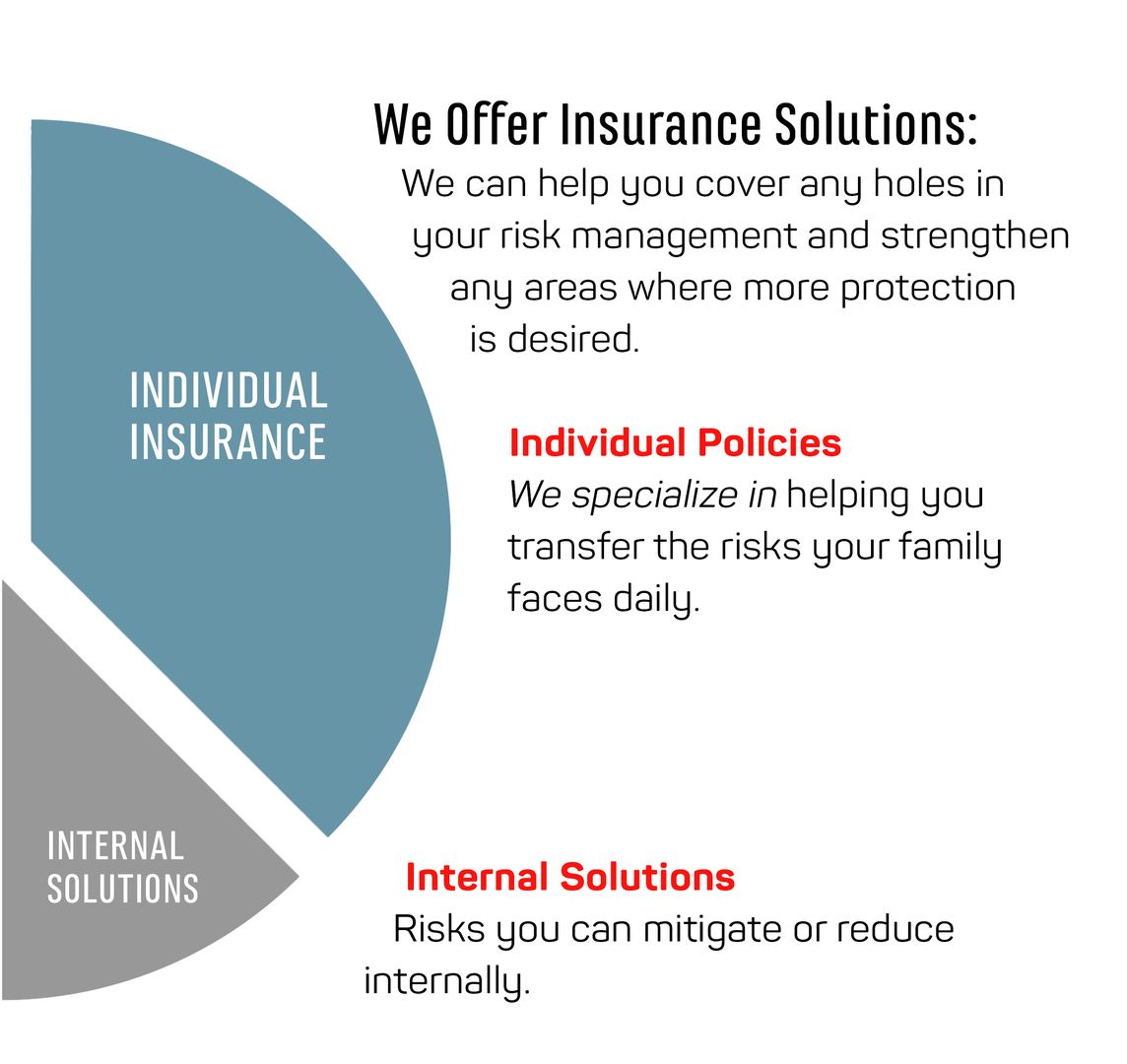 Source: gninsurance.com
Face amount is the gross total amount of cash quantified in an agreement or insurance policy. The death benefit of a life insurance policy which is the amount the beneficiary receives when the insured person dies. Only permanent life insurance policies, such as whole life and universal life, have a cash value account. The face amount almost always equals the death benefit in term insurance. Cash value life insurance is a type of life insurance policy that’s in place for your whole life and comes with a sort of savings account built into it.
 Source: slideshare.net
A policy under which the face amount is payable on a specified future date (maturity date) if the insured is then living, or at the insured’s death, if that should occur sooner. Face value is calculated by adding the death benefit with any rider benefits, and subtracting any loans you’ve taken on the policy. What is the face value of a life insurance policy? When this happens most policy�s “endow” and the policy owner receives the cash benefit. Cash value life insurance is a type of life insurance policy that’s in place for your whole life and comes with a sort of savings account built into it.
 Source: weinbergfinancial.com
The face value of a life insurance policy is the death benefit, while its cash value is the amount that would be paid if the policyholder opts to surrender the policy early. Endowment is a taxable event. What is the face amount on currency? The amount of money that your insurance provider puts toward the policy is known as the face value and is the amount that will be paid out to. The face amount in life insurance means the amount of insurance you buy.
 Source: alqurumresort.com
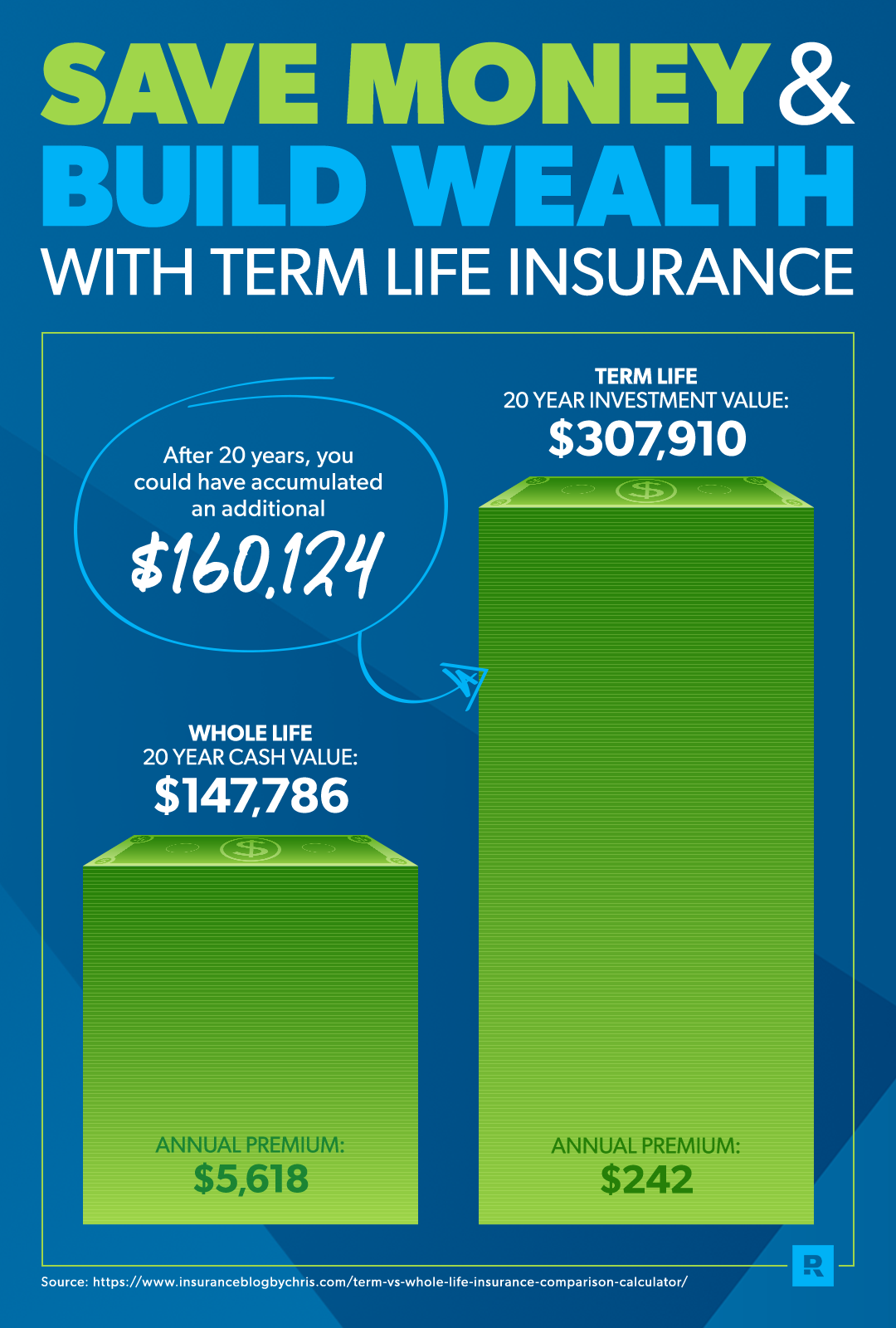
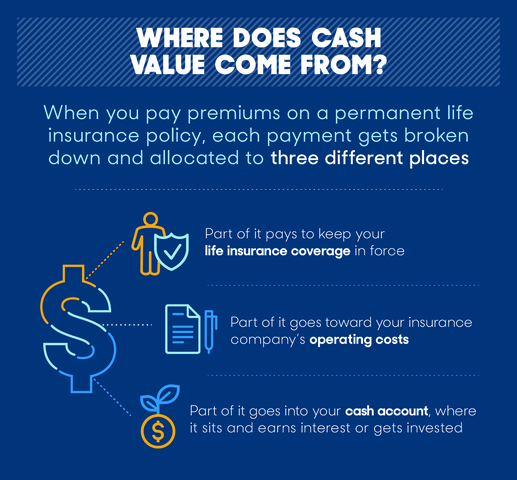
A policy under which the face amount is payable on a specified future date (maturity date) if the insured is then living, or at the insured’s death, if that should occur sooner. The face value of life insurance is the original amount of coverage purchased, minus any loans, or adding cash value that accumulates beyond the original face amount. Also, some life insurance policies provide a face amount that decreases over time (usually to cover a mortgage or installment loan) in. So, you’re paying for two things here—the life insurance part (the bit that covers your family if you die) and the cash value part (the savings account that supposedly grows your money over time). In the case of a typical level term life insurance the face amount is the amount of insurance for the guaranteed length of time.
 Source: slideserve.com
Face amount is the gross total amount of cash quantified in an agreement or insurance policy. Face amount is the gross total amount of cash quantified in an agreement or insurance policy. The face value of life insurance is the original amount of coverage purchased, minus any loans, or adding cash value that accumulates beyond the original face amount. The face value of a life insurance policy is the death benefit. Face value is an often arbitrarily assigned amount used to calculate the accounting value of a company�s stock for balance sheet purposes.
 Source: harborlifesettlements.com
The face value of indexed life insurance policies varies with the performance of the financial index the policy follows. In the case of whole life insurance the face amount is the. The death benefit is the amount that is actually paid to the beneficiary when death occurs. The amount paid out on a life insurance policy (such as $100,000 upon the death of the person named on the policy) is also termed the face amount, because it is stated on the first page (or “face”) of the policy documentation. So, you’re paying for two things here—the life insurance part (the bit that covers your family if you die) and the cash value part (the savings account that supposedly grows your money over time).
 Source: daveramsey.com
In term insurance, the face value is usually the same as what is. In short, your face value is the amount of money your beneficiaries will receive from. The face value definition in life insurance refers to the death benefit that is paid to beneficiaries upon the death of the insured. The death benefit of a life insurance policy which is the amount the beneficiary receives when the insured person dies. When it comes to bonds and preferred stock, however, face value represents the amount that must be repaid at maturity.
 Source: reviews.com
What is the face amount on currency? The face value of life insurance is how much your policy is worth, and more importantly, how much life insurance money is paid out when the policyholder dies. Within your policy, it is officially denoted as the death benefit. An example of face value is the price someone asks for when selling a concert ticket at the price originally paid for it. Depending on the type of insurance policy, the death benefit may decrease over time, such as with credit life insurance purchased to cover a home mortgage that decreases as the mortgage is paid off.
Source: aspenwealthmgmt.com
It is used for life insurance policies. What is the face amount on currency? Face value is defined as the value printed on money or on a bill or bond or on a ticket, or the amount of the death benefits of an insurance policy, or the assumed value based on appearances. Face value can also refer to the amount stated on a coin or banknote. The face value of a life insurance policy is the death benefit.
 Source: epahepaee.blogspot.com
That amount is often the amount you choose when you apply for and purchase life insurance coverage. A policy under which the face amount is payable on a specified future date (maturity date) if the insured is then living, or at the insured’s death, if that should occur sooner. The face amount almost always equals the death benefit in term insurance. Face value can also be used synonymously with “face amount” or “coverage amount”. The death benefit of a life insurance policy which is the amount the beneficiary receives when the insured person dies.
 Source: neerajswami.com
So, you’re paying for two things here—the life insurance part (the bit that covers your family if you die) and the cash value part (the savings account that supposedly grows your money over time). Face value is an often arbitrarily assigned amount used to calculate the accounting value of a company�s stock for balance sheet purposes. The face value of life insurance is how much your policy is worth, and more importantly, how much life insurance money is paid out when the policyholder dies. The face value of indexed life insurance policies varies with the performance of the financial index the policy follows. Only permanent life insurance policies, such as whole life and universal life, have a cash value account.
 Source: friends-was-else.blogspot.com
The face value of life insurance is the original amount of coverage purchased, minus any loans, or adding cash value that accumulates beyond the original face amount. The face value of indexed life insurance policies varies with the performance of the financial index the policy follows. The face value of a life insurance policy is the death benefit. The death benefit of a life insurance policy which is the amount the beneficiary receives when the insured person dies. Frequently asked and often misunderstood, the face amount of life insurance is the initial amount of financial protection listed on a life insurance policy.
This site is an open community for users to submit their favorite wallpapers on the internet, all images or pictures in this website are for personal wallpaper use only, it is stricly prohibited to use this wallpaper for commercial purposes, if you are the author and find this image is shared without your permission, please kindly raise a DMCA report to Us.
If you find this site helpful, please support us by sharing this posts to your favorite social media accounts like Facebook, Instagram and so on or you can also bookmark this blog page with the title face value life insurance meaning by using Ctrl + D for devices a laptop with a Windows operating system or Command + D for laptops with an Apple operating system. If you use a smartphone, you can also use the drawer menu of the browser you are using. Whether it’s a Windows, Mac, iOS or Android operating system, you will still be able to bookmark this website.
