Top Choice Disadvantages of captive insurance You Must Look
Home » Health Insurance » Top Choice Disadvantages of captive insurance You Must LookYour Disadvantages of captive insurance car are available. Disadvantages of captive insurance are a coverage that is most popular and liked by everyone today. You can News the Disadvantages of captive insurance files here. Find and Download all free investment.
If you’re searching for disadvantages of captive insurance images information connected with to the disadvantages of captive insurance topic, you have visit the right blog. Our website always gives you suggestions for downloading the maximum quality video and picture content, please kindly surf and locate more enlightening video articles and graphics that match your interests.
Disadvantages Of Captive Insurance. By establishing an independent captive insurance program, the parent company can insure difficult risks, increase their cash flow, reduce costs, and gain direct access to reinsurance markets. Captive insurance company owners are willing to risk their own capital in anticipation of the financial rewards associated with better control over their insurance program. Requirements include financial reporting, capital/ solvency support, reserve. Captive insurance has its advantages and disadvantages.
 Weighing the Pros and Cons of Captives Caitlin From cmcaptives.com
Requirements include financial reporting, capital/ solvency support, reserve. It�s also more flexible than traditional insurance, because the company can adjust the proportion of assumption of risk or the amount of reinsurance depending on how soft or hard the market is. Captives are typically formed for the purpose of risk management. If you have a captive insurance program, however, you can create whatever coverage you need and avoid needing to “sell” a carrier on your business plan. Still, there are several potential drawbacks companies must be aware of before considering a captive as a valid insurance solution. Captive insurance has its advantages and disadvantages.
These risks include property, casualty, and workers’ compensation insurance.
A captive insurance company is a subsidiary of a business owner(s) company that writes the insurance policies for the business owner’s company. The premiums paid to your captive insurance company you’ve created are tax deductible. An insurance captive is a wholly owned and controlled insurance company that is established to provide coverage for itself; If you have a captive insurance program, however, you can create whatever coverage you need and avoid needing to “sell” a carrier on your business plan. These risks include property, casualty, and workers’ compensation insurance. Captive insurance company owners are willing to risk their own capital in anticipation of the financial rewards associated with better control over their insurance program.
 Source: hawaiipublicradio.org
The company pays insurance premiums to the captive rather than to an external insurance company. Depending on the arrangement, it also may be difficult for insured individuals to join the captive plan or leave to obtain coverage elsewhere. With captive insurance, companies are not attempting to make a profit, but simply to provide themselves with low cost insurance coverage. The first 40 years of captive reinsurance during the 1960s, companies began to set up captive insurance entities to insure the risks that the commercial insurance marketplace By establishing an independent captive insurance program, the parent company can insure difficult risks, increase their cash flow, reduce costs, and gain direct access to reinsurance markets.
 Source: rmmagazine.com
Captive insurance company owners are willing to risk their own capital in anticipation of the financial rewards associated with better control over their insurance program. Depending on the arrangement, it also may be difficult for insured individuals to join the captive plan or leave to obtain coverage elsewhere. What are the disadvantages of captive insurance? It�s also more flexible than traditional insurance, because the company can adjust the proportion of assumption of risk or the amount of reinsurance depending on how soft or hard the market is. Captive insurance arrangements are often more difficult for the entity regarding entrance and exit than is purchasing insurance on the open market.
 Source: 1investing.in
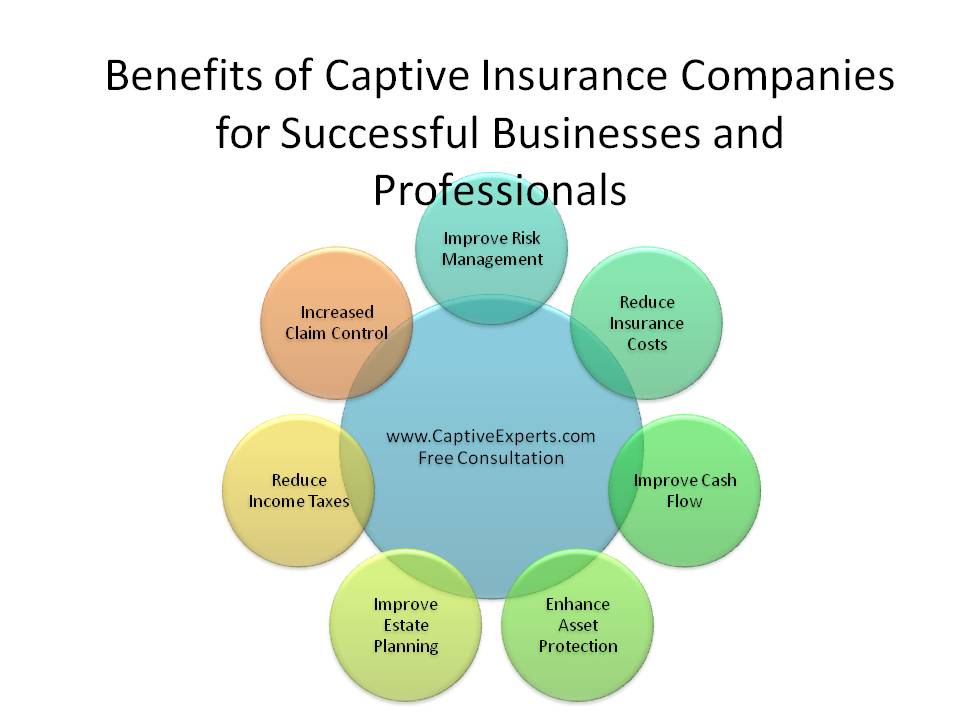
With captive insurance, companies are not attempting to make a profit, but simply to provide themselves with low cost insurance coverage. Captive insurance provides businesses with a variety of advantages, including reduced costs, improved cash flow, and investment income to fund losses. This reduces the taxable income for the business owner. The first 40 years of captive reinsurance during the 1960s, companies began to set up captive insurance entities to insure the risks that the commercial insurance marketplace It�s also more flexible than traditional insurance, because the company can adjust the proportion of assumption of risk or the amount of reinsurance depending on how soft or hard the market is.
 Source: thebrokerageinc.com
The premiums paid to your captive insurance company you’ve created are tax deductible. This can lower costs of monthly premiums for a company but, initially, may require more overhead costs. Reduce the costs of insurance, provide control over claims management, and enables the participants to share in profits. Anyone wishing to purchase a captive policy of their own must be able and willing to, invest their own resources into the policy. However, the owner(s) of a captive place their own capital at risk, and they directly control their insurer.
 Source: finance-review.com
This reduces the taxable income for the business owner. A captive operates like a traditional insurance company and is subject to state regulatory requirements, albeit potentially less onerous than commercial market ones. This can lower costs of monthly premiums for a company but, initially, may require more overhead costs. Captive insurance is the practice of a parent group, or groups, creating a private insurance company to cover the needs for itself and its subsidiaries. It�s also more flexible than traditional insurance, because the company can adjust the proportion of assumption of risk or the amount of reinsurance depending on how soft or hard the market is.
 Source: pinterest.com
It can also pose significant challenges. This type of insurance can offer many benefits and risks to the companies involved, so talking to a consultant to go over the specifics for your group can give you the best picture of your. However, the owner(s) of a captive place their own capital at risk, and they directly control their insurer. Captives are typically formed for the purpose of risk management. An organization that has a substantial amount of insurable risk establishes a captive insurance company to insure the risks of its owner.
 Source: krdcpas.com
Evaluating the pros and cons of adding a layer of complexity impacting your personal, business, philanthropic and/or public relationships, even your family, is at the heart of deciding whether it is worthwhile and exciting to start a new business venture or a new operating department, division or subsidiary of an existing. It can also pose significant challenges. An organization that has a substantial amount of insurable risk establishes a captive insurance company to insure the risks of its owner. What are the disadvantages of captive insurance? Here are some of the main pros:
 Source: youtube.com
Like any form of insurance, there is always risk. This can lower costs of monthly premiums for a company but, initially, may require more overhead costs. Captive insurance company owners are willing to risk their own capital in anticipation of the financial rewards associated with better control over their insurance program. In some ways, a captive insurance company resembles a mutual insurance company. The premiums paid to your captive insurance company you’ve created are tax deductible.
 Source: 1investing.in
Potential drawbacks of captive insurance solutions. This reduces the taxable income for the business owner. The first 40 years of captive reinsurance during the 1960s, companies began to set up captive insurance entities to insure the risks that the commercial insurance marketplace The premiums paid to your captive insurance company you’ve created are tax deductible. Captive insurance company owners are willing to risk their own capital in anticipation of the financial rewards associated with better control over their insurance program.
 Source: theolsongroup.com
An organization that has a substantial amount of insurable risk establishes a captive insurance company to insure the risks of its owner. In some ways, a captive insurance company resembles a mutual insurance company. Captive insurance has its advantages and disadvantages. Moreover, companies that have created a captive can indirectly write policies, set premiums, assess the risks of subsidiaries, and invest unused funds for future claim payouts. With captive insurance, companies are not attempting to make a profit, but simply to provide themselves with low cost insurance coverage.
 Source: youtube.com
The premiums paid to your captive insurance company you’ve created are tax deductible. However, the owner(s) of a captive place their own capital at risk, and they directly control their insurer. It�s also more flexible than traditional insurance, because the company can adjust the proportion of assumption of risk or the amount of reinsurance depending on how soft or hard the market is. Like any form of insurance, there is always risk. Still, there are several potential drawbacks companies must be aware of before considering a captive as a valid insurance solution.
 Source: pinterest.com
This can lower costs of monthly premiums for a company but, initially, may require more overhead costs. This can lower costs of monthly premiums for a company but, initially, may require more overhead costs. Here are some of the main pros: It�s also more flexible than traditional insurance, because the company can adjust the proportion of assumption of risk or the amount of reinsurance depending on how soft or hard the market is. Captive insurance is the practice of a parent group, or groups, creating a private insurance company to cover the needs for itself and its subsidiaries.
 Source: agencyrevolution.com
A captive operates like a traditional insurance company and is subject to state regulatory requirements, albeit potentially less onerous than commercial market ones. Premiums received by the captive insurance company are tax exempt up to $2.3mm per year. As shown above, there are many advantages to the captive insurance model. Evaluating the pros and cons of adding a layer of complexity impacting your personal, business, philanthropic and/or public relationships, even your family, is at the heart of deciding whether it is worthwhile and exciting to start a new business venture or a new operating department, division or subsidiary of an existing. In some ways, a captive insurance company resembles a mutual insurance company.
Source: cmcaptives.com
Here are some of the main pros: This reduces the taxable income for the business owner. Still, there are several potential drawbacks companies must be aware of before considering a captive as a valid insurance solution. Potential drawbacks of captive insurance solutions. This unique benefit is available to small insurance companies through the 831(b) tax election.
 Source: slideteam.net
This type of insurance can offer many benefits and risks to the companies involved, so talking to a consultant to go over the specifics for your group can give you the best picture of your. Captive insurance provides businesses with a variety of advantages, including reduced costs, improved cash flow, and investment income to fund losses. This type of insurance can offer many benefits and risks to the companies involved, so talking to a consultant to go over the specifics for your group can give you the best picture of your. What are the disadvantages of captive insurance? The premiums paid to your captive insurance company you’ve created are tax deductible.
 Source: techtrendexpert.com
In some ways, a captive insurance company resembles a mutual insurance company. Captives are typically formed for the purpose of risk management. Potential drawbacks of captive insurance solutions. This type of insurance can offer many benefits and risks to the companies involved, so talking to a consultant to go over the specifics for your group can give you the best picture of your. Your capital is at risk.
 Source: 1investing.in
By establishing an independent captive insurance program, the parent company can insure difficult risks, increase their cash flow, reduce costs, and gain direct access to reinsurance markets. This unique benefit is available to small insurance companies through the 831(b) tax election. Your capital is at risk. Potential drawbacks of captive insurance solutions. The first 40 years of captive reinsurance during the 1960s, companies began to set up captive insurance entities to insure the risks that the commercial insurance marketplace
 Source: pinterest.com
Captive insurance has its advantages and disadvantages. A business can substantially lower insurance costs in comparison to premiums paid to a commercial insurer and the captive can provide coverage that is unattainable or inadequate in the private market. As shown above, there are many advantages to the captive insurance model. Your capital is at risk. These risks include property, casualty, and workers’ compensation insurance.
This site is an open community for users to share their favorite wallpapers on the internet, all images or pictures in this website are for personal wallpaper use only, it is stricly prohibited to use this wallpaper for commercial purposes, if you are the author and find this image is shared without your permission, please kindly raise a DMCA report to Us.
If you find this site adventageous, please support us by sharing this posts to your own social media accounts like Facebook, Instagram and so on or you can also save this blog page with the title disadvantages of captive insurance by using Ctrl + D for devices a laptop with a Windows operating system or Command + D for laptops with an Apple operating system. If you use a smartphone, you can also use the drawer menu of the browser you are using. Whether it’s a Windows, Mac, iOS or Android operating system, you will still be able to bookmark this website.
